The Fossils, Earth History, and the Natural Wonder of Today
True learning begins with the sense of excitement and awe, both in children and adults. The fossils on Isle La Motte are a portal to a vast context. They invite the visitor to consider the concept of deep time, the great sweep of Earth History, the large questions. They give rise to the possibility of a perspective from which, as John McPhee has said, “to consider the results and consequences of our human impacts on Earth.”
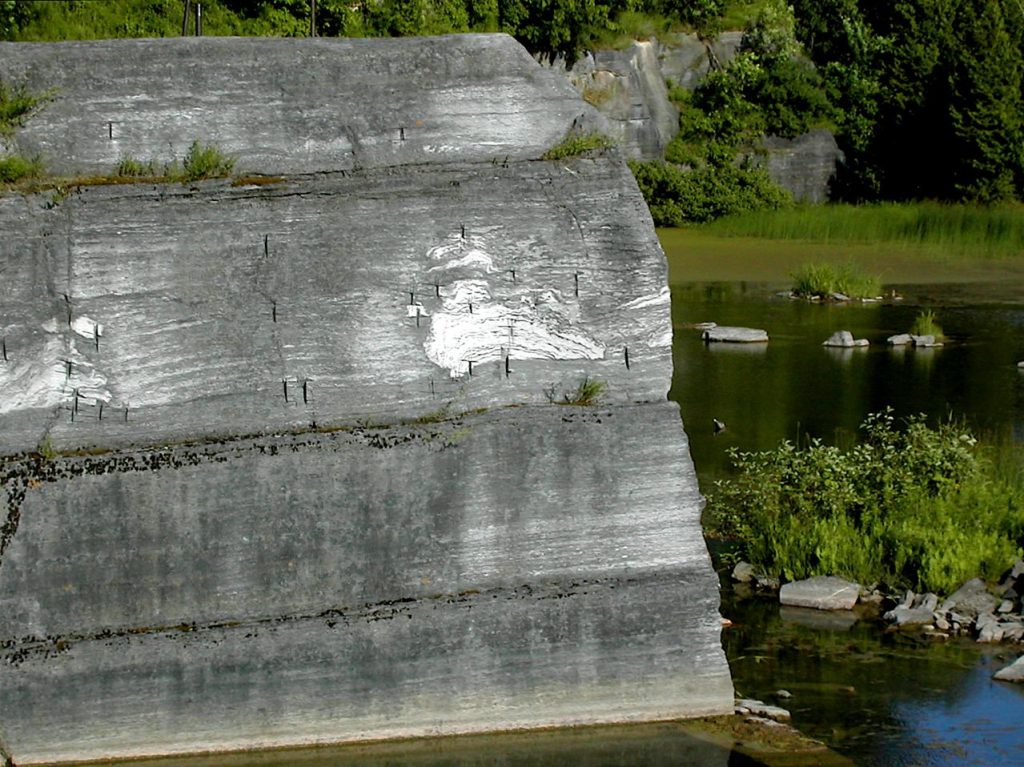
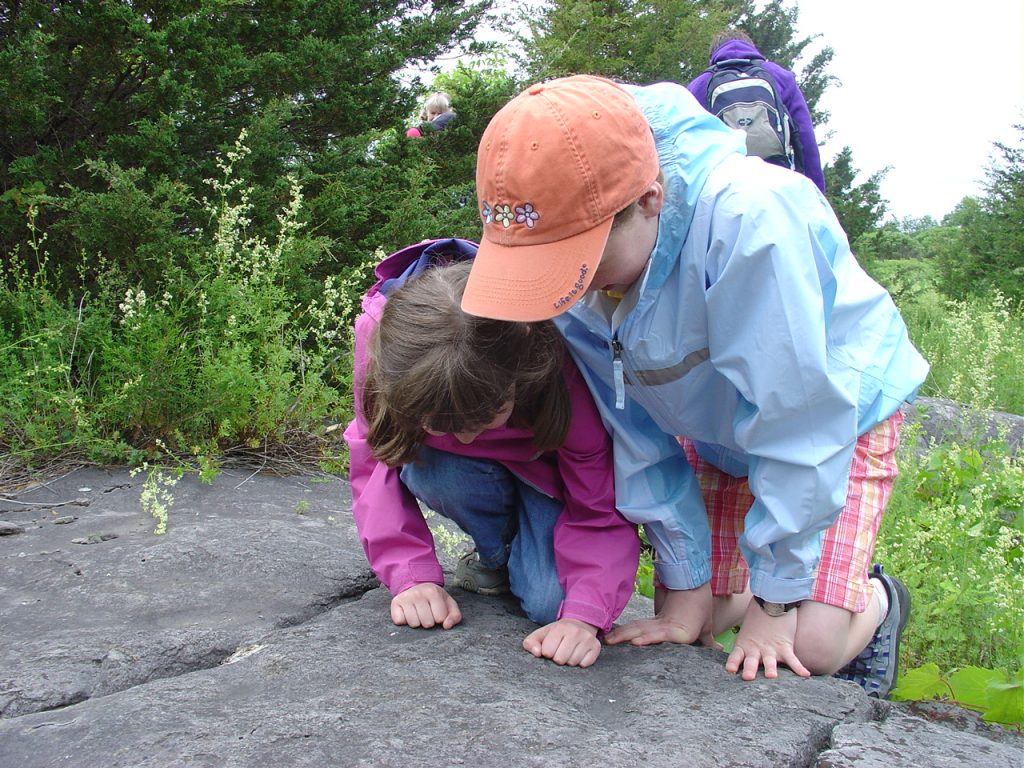
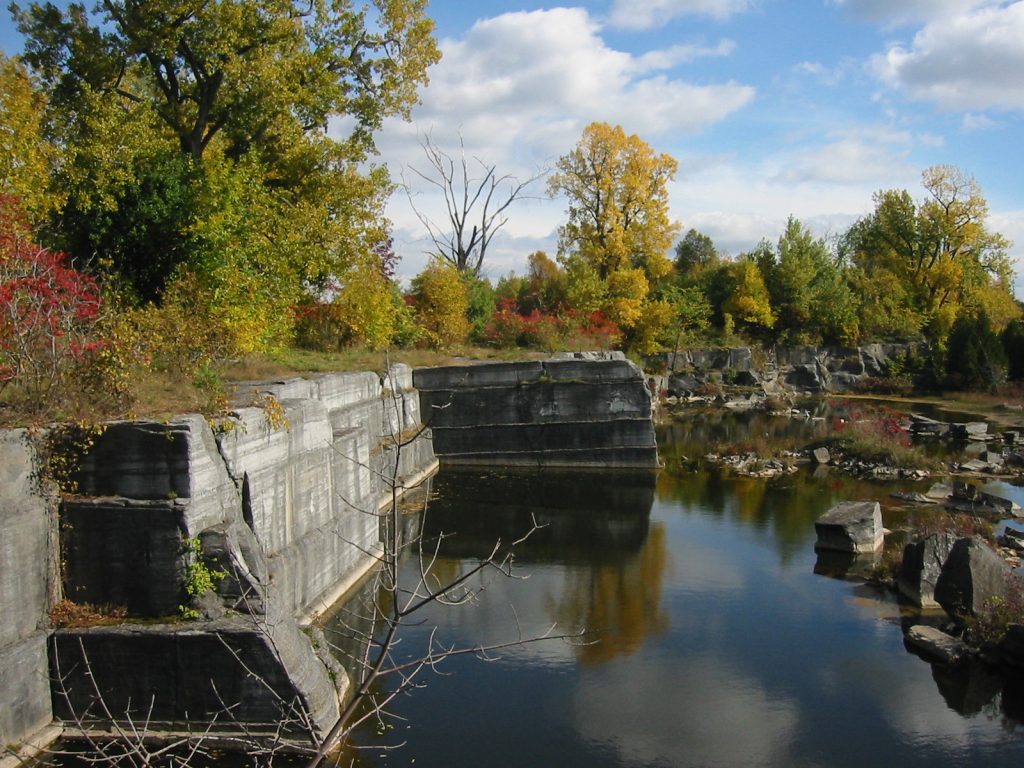
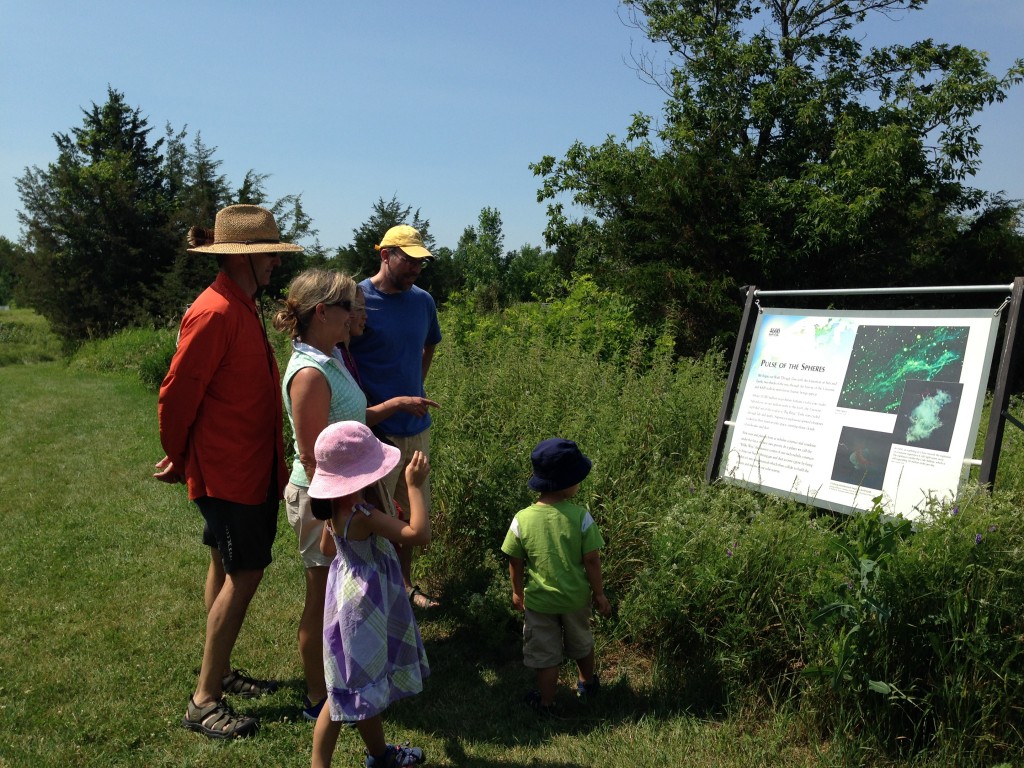
The Isle La Motte Preserves, the Fisk Quarry and the Goodsell Ridge, offer learning opportunities for individuals and groups of all ages. They are visited by tourists, students, and scientists. They have become a field trip destination for universities, high schools and elementary schools. Visiting groups have included historical societies, geological conferences, and Elder Education Enrichment programs.
The preserves also provide opportunities for learning about the natural world of today. What animals, birds, and plants thrive in Vermont, on Isle La Motte and in our preserves? And why? Come walk our trails anytime.
A Trip Back in Time
The Chazy Fossil Reef
In the northwestern corner of Vermont on Isle La Motte, the northernmost island of Lake Champlain, is a remarkable natural phenomenon: the Chazy Fossil Reef, formed some 460 million years ago during what geologists call the Ordovician Period.
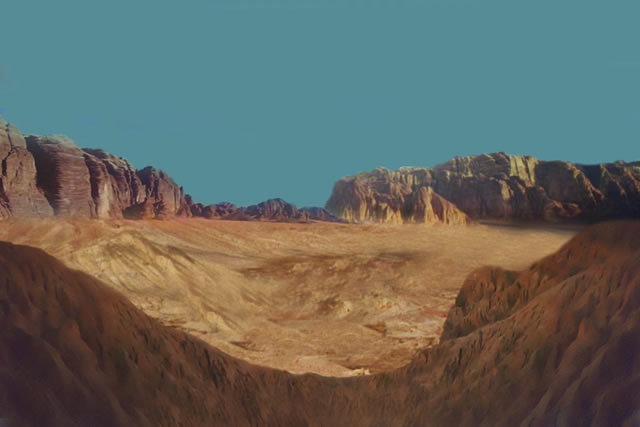
Earth’s dry land surface 460 million years ago would have been, to our eyes, a strange and barren place with no living things except bacteria, and perhaps some lichens and mosses. Carbon dioxide levels in the atmosphere were 10 to 15 times higher than today.
Sea levels were higher than now, flooding most of the continents of today. The continents themselves were mostly located in the southern latitudes. What would become North America was, at that time, slightly south of the equator far to the East where Zimbabwe is today.
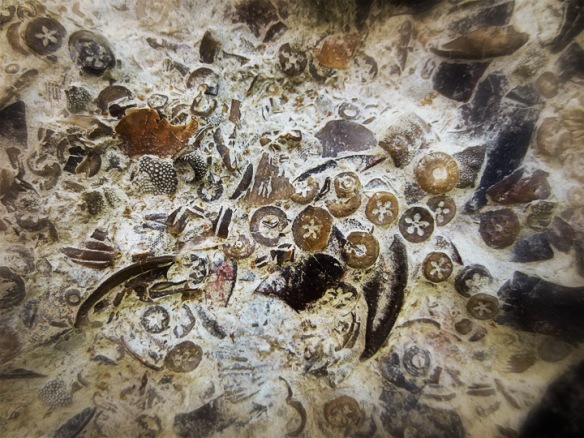
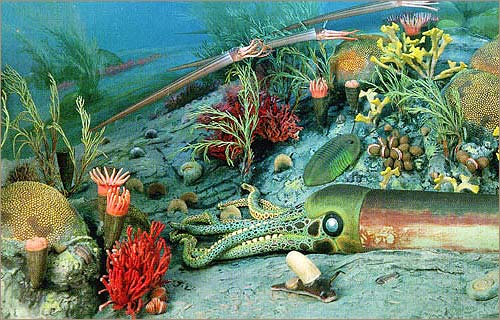
Marine animals had begun to develop hard exoskeletons of calcium carbonate, body armor perhaps, against the ever increasing array of predatory life forms which populated the oceans. When these hard shelled animals died their exoskeletons piled up on one another, creating mounds or reefs on the ocean floors.
Along the continental shelf of proto-North America, reefs had begun to develop in a shallow tropical sea – the Iapetus Ocean. As they developed over time, they evolved into the earliest biologically diverse reefs in the history of life on Earth.
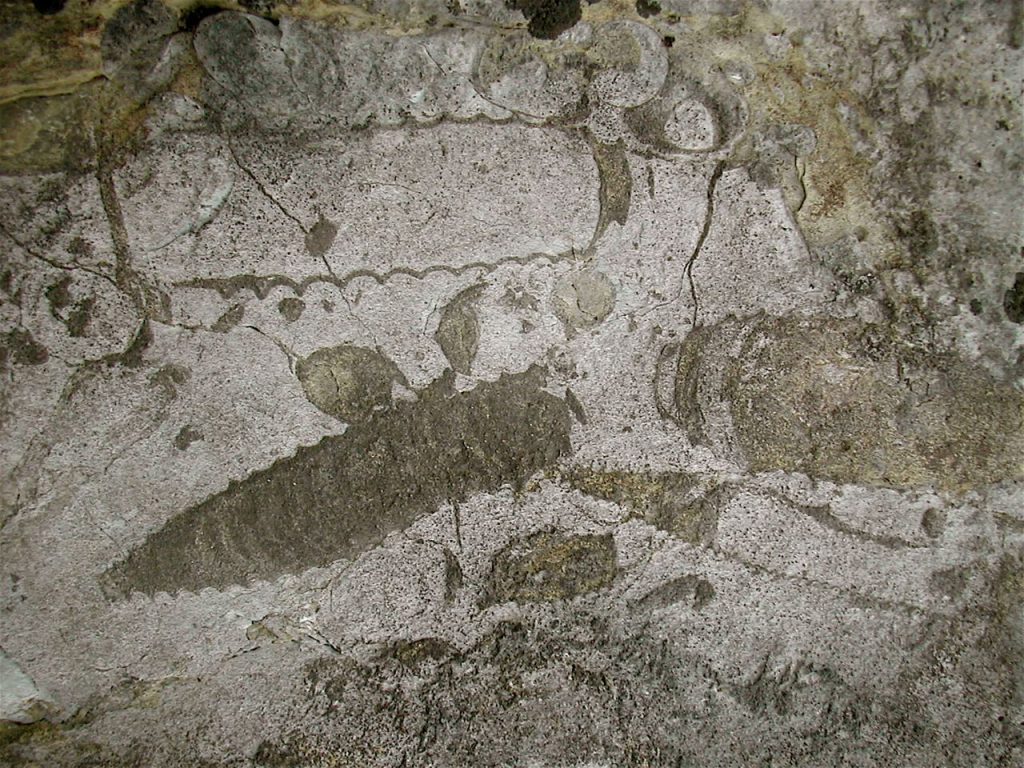
The fossil record of the earliest reef system is known to scientists today as the Chazy Fossil Reef. Though the reef originally stretched 1,000 miles along the continental shelf of ancient North America only remnants can be found today in Newfoundland, Quebec, Vermont and Tennessee. Excellent examples are found on Garden Island and Valcour Island in Lake Champlain, with the best and most complete fossil record being located on Isle La Motte where a walk from south to north tells the story of reef evolution.
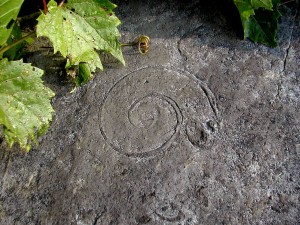
The story of this ancient reef is told in the rocks on Isle La Motte where fossil imprints of plants and animals of long ago are etched in the rocks.